

We often think of weight loss as a battle against specific foods. We demonize carbs, banish sugar, or cut out fats entirely. But what if the problem isn’t what you are eating, but how much of it? This is where the Importance of Portion Control in Weight Management comes into play.
It is the unsung hero of a healthy lifestyle. Unlike restrictive diets that demand you give up your favorite foods, portion control is about balance. It allows you to enjoy the foods you love without sabotaging your health goals. By understanding how much fuel your body truly needs, you can unlock a sustainable path to wellness that doesn’t feel like a punishment.
This comprehensive guide will dive deep into why portion sizes have ballooned over the years, how this affects your metabolism, and provide practical diet portion tips to help you master the art of eating in moderation.
Why Portion Size Matters for Metabolism and Calorie Intake
To understand weight management, we have to look at the basic math of energy balance. Your body requires a certain amount of energy (calories) to function—to breathe, move, and think.
- The Calorie Connection: When you consume more energy than you burn, your body stores the excess as fat. Portion control is the most effective way to regulate this “energy in” side of the equation without obsessively counting every single calorie.
- Metabolic Impact: Consuming massive portions in one sitting can spike your blood sugar and overwhelm your digestion, leading to energy crashes and fat storage. Conversely, eating smaller, controlled portions throughout the day keeps your metabolism humming efficiently, providing a steady stream of fuel rather than a flood.
In a world of “super-sized” meals, our perception of a “normal” serving has become distorted. Re-calibrating your eyes and your stomach is the first step toward healthy weight loss strategies.
Practical Diet Portion Tips for Everyday Life
You don’t need to carry a food scale everywhere you go. Mastering portion control is about adopting simple, smart habits. Here are some effective diet portion tips:
- Use Smaller Plates: It sounds like a magic trick, but it works. A standard dinner plate is often 11-12 inches wide. Swapping to a 9-inch salad plate makes a normal portion look plentiful, tricking your brain into feeling satisfied with less.
- The Water Starter: Drink a large glass of water 15 minutes before you eat. This hydrates you and takes up volume in your stomach, naturally reducing the amount of food needed to feel full.
- Serve in the Kitchen, Eat at the Table: Leave the serving dishes on the stove or counter. If the food is sitting right in front of you on the table, you are far more likely to go for seconds (or thirds) mindlessly.
- Vegetables First: Fill half your plate with green vegetables before adding anything else. They are high in volume and fiber but low in calories, allowing you to eat a physically larger amount of food without overdoing the energy intake.
How Eating in Moderation Supports Long-Term Health
The Importance of Portion Control in Weight Management extends far beyond just the number on the scale. Eating in moderation is a pillar of longevity and disease prevention.
Overeating places significant stress on the body. It forces your heart to work harder to pump blood for digestion and requires your pancreas to pump out more insulin. Over time, chronic overeating can lead to insulin resistance, type 2 diabetes, heart disease, and high blood pressure.
By controlling your portions, you reduce this systemic stress. You stabilize your blood sugar levels, improve your digestion (goodbye, post-meal bloating!), and maintain a healthy heart. It shifts the focus from “dieting” to “nourishing,” which is a mindset you can keep for life.
The Connection Between Balanced Meals and Portion Control
Portion control is easiest when your meals are balanced. If you eat a bowl of plain pasta (100% carbs), your blood sugar will spike and crash, leaving you hungry again in an hour. This leads to snacking and overeating.
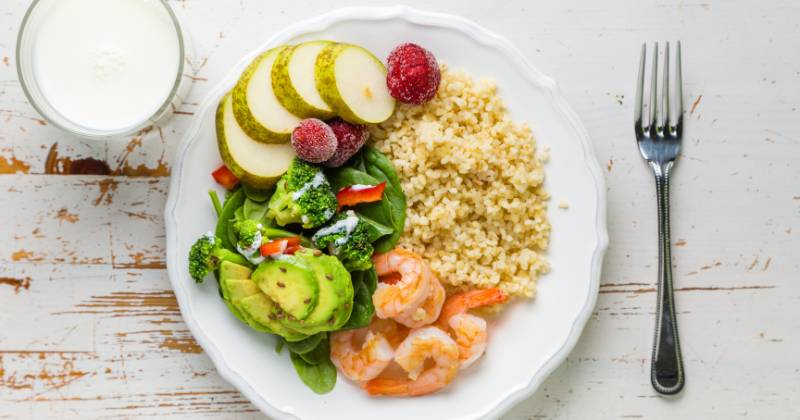
Balanced meals are the antidote. A well-portioned plate should look like this:
- 50% Vegetables & Fruit: Fiber, vitamins, and volume.
- 25% Lean Protein: Chicken, fish, beans, tofu. Protein is the most satiating nutrient, keeping you fuller for longer.
- 25% Complex Carbohydrates: Brown rice, quinoa, whole wheat bread. These provide sustained energy.
- A Dash of Healthy Fat: Avocado, olive oil, nuts. Fat signals satiety to the brain.
When you combine these elements, you naturally require a smaller portion to feel satisfied because you are giving your body exactly what it needs.
Healthy Weight Loss Strategies Without Strict Dieting
Many people fail at weight loss because they try to starve themselves. This slows down metabolism and leads to binge eating. True healthy weight loss strategies involve eating enough—just not too much.
Portion control allows for flexibility. Want a slice of pizza? Have it. But instead of eating three slices, have one slice and pair it with a large side salad. This approach eliminates the “forbidden fruit” syndrome. When no food is off-limits, you are less likely to binge. You learn to listen to your body’s hunger cues rather than emotional triggers.
The Role of Mindful Eating in Managing Portion Sizes
Have you ever finished a bag of chips while watching TV and not even tasted them? That is mindless eating, and it is the enemy of portion control.
Mindful eating is the practice of being fully present during your meals.
- Slow Down: It takes about 20 minutes for your brain to register that your stomach is full. If you inhale your food in 5 minutes, you will likely overeat before your brain can say “stop.”
- Eliminate Distractions: Turn off the TV and put down the phone. Focus on the texture, taste, and smell of your food.
- Chew Thoroughly: Digestion starts in the mouth. Chewing more slows you down and helps you feel satisfied sooner.
When you practice mindful eating, you naturally stop when you are satisfied, not stuffed. You become the expert on your own body’s needs.
A Practical Guide: Easy Ways to Measure Portions at Home
You don’t always need measuring cups. Your hand is a portable portion guide that is always with you. Here is a quick reference for eating in moderation:
- Protein: One portion should be the size of your palm (deck of cards).
- Vegetables: One portion should be the size of your fist (baseball).
- Carbohydrates: One portion should be the size of your cupped hand (tennis ball).
- Fats: One portion (butter, oil) should be the size of your thumb tip (dice).
Visual Comparisons for Common Foods:
- 3 oz of meat = A deck of playing cards
- 1 cup of cereal = A baseball
- 1/2 cup of ice cream = A tennis ball
- 1.5 oz of cheese = Four stacked dice
- 2 tbsp of peanut butter = A ping-pong ball
Using these visual cues makes portion control easy, whether you are cooking at home or eating out at a restaurant.
A Sustainable Path to Wellness
Understanding the Importance of Portion Control in Weight Management is a transformative step in your health journey. It moves you away from the cycle of restrictive dieting and guilt, and towards a life of balance and awareness.
By implementing these diet portion tips, focusing on balanced meals, and practicing mindful eating, you can achieve your weight goals without sacrificing the joy of eating. Remember, healthy eating isn’t about perfection; it’s about consistency. Start with one small change today—perhaps using a smaller plate or pausing halfway through your meal—and watch how these small shifts add up to big, lasting results.
Also Read: Your Ultimate Guide: Finding Healthy Snack Alternatives to Junk Food