

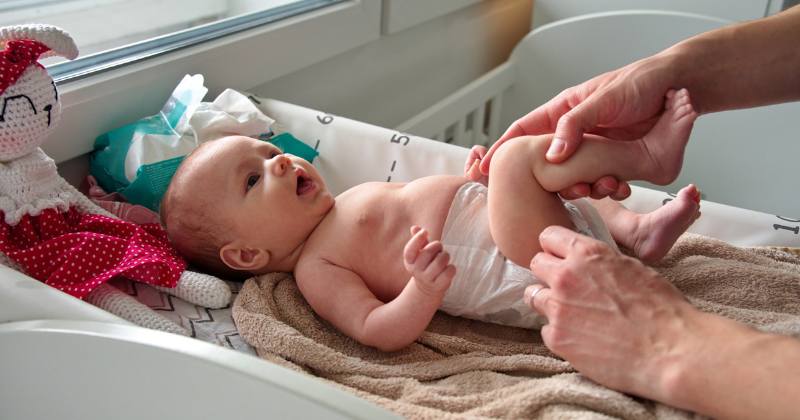
There are few things as unsettling for a new parent as opening a diaper to find bright red, angry-looking skin. The guilt sets in immediately. “Did I wait too long to change them?” “Is it something I ate?” “Is this diaper brand wrong?”
First, take a deep breath. Diaper rash is incredibly common. In fact, it is one of the most frequent dermatological conditions in infants. Almost every baby will experience some form of it during their first few years of life. It isn’t a sign of neglect; it’s a sign that your baby has sensitive skin that is reacting to a challenging environment (a warm, moist diaper).
This comprehensive guide is here to replace that worry with confidence. We will walk you through the essentials of Diaper Rash Prevention and Treatment, helping you understand the causes, master the best diaper changing tips, and choose the right products to keep your baby’s bottom smooth and comfortable.
Understanding the Enemy: Common Causes of Baby Skin Irritation
Before you can fix the problem, you have to understand what is causing it. Diaper rash isn’t just one thing; it’s a reaction to several possible triggers.
- Moisture and Acidity: This is the most common culprit. Prolonged exposure to urine and stool (especially diarrhea) breaks down the skin’s protective barrier. The enzymes in stool are particularly harsh and can “burn” the skin quickly.
- Friction and Chafing: A diaper that is fastened too tightly or rubbing against the skin can cause physical damage, leading to baby skin irritation.
- New Foods: As your baby starts solids, the composition of their stool changes. Acidic foods like strawberries, tomatoes, or citrus can lead to a sudden flare-up.
- Chemical Sensitivity: Your baby might be reacting to the fragrances or dyes in a new brand of diapers, wipes, or laundry detergent.
- Bacterial or Yeast Infection: The diaper area is warm, dark, and moist—the perfect breeding ground for bacteria and yeast (Candida). If a rash is bright red with small red dots around the edges and doesn’t heal with cream, it’s likely yeast.
The Best Offense: How to Prevent Diaper Rash
The goal of every parent is to stop the rash before it starts. Prevention revolves around three simple concepts: Clean, Dry, and Protect. Here are practical strategies on how to prevent diaper rash.
1. Frequent Changes are Key
The “wait and see” approach doesn’t work with sensitive skin.
- Check Often: Inspect the diaper at least every two hours.
- Change Immediately: Change soiled diapers the moment you detect them. The enzymes in stool begin to damage the skin within minutes.
2. The Power of “Air Time”
Air is the best natural healer. It dries out the skin and prevents fungus from growing.
- Naked Time: Try to give your baby 10–15 minutes of diaper-free time a few times a day. Lay a waterproof mat or towel on the floor and let them kick.
- Loose Diapering: Don’t fasten the diaper too tightly. You should be able to slide two fingers comfortably between the diaper and the tummy to allow for airflow.
3. Gentle Cleaning
Over-cleaning can sometimes be worse than under-cleaning.
- Skip the Wipes (Sometimes): If your baby has peed only, you don’t always need to scrub with a wipe. Sometimes a gentle pat is enough.
- Pat Dry: After cleaning, always pat the skin dry with a soft cloth or let it air dry. Applying cream over wet skin traps moisture inside the diaper, which causes rash.
Practical Diaper Changing Tips for Success
Your technique at the changing table matters. Here are some pro diaper changing tips to protect your baby’s skin.
- Be Prepared: Have your clean diaper, wipes, and cream ready before you start. You never want to be scrambling while your baby is wriggling.
- Wipe Wisely: Always wipe from front to back to prevent spreading bacteria from the bottom to the urinary tract. This is especially critical for girls.
- Don’t Rub: If there is stuck-on mess, don’t scrub hard. Use a wet cloth to soak the area for a moment, then wipe gently. Rubbing irritates compromised skin.
- The “Frosting” Technique: When applying cream, be generous. You want a thick layer that acts as a physical shield. You shouldn’t be able to see the skin through the cream.
Choosing the Best Diaper Rash Cream
Walk down the baby aisle, and you’ll see dozens of tubes. Which one is the best diaper rash cream for your baby? It depends on the severity of the rash.
1. Daily Prevention: Ointments (Petroleum Jelly)
For clear, healthy skin, you don’t need heavy medication. Simple petroleum jelly (like Vaseline or Aquaphor) is perfect. It’s clear, non-sticky, and forms a waterproof seal that protects the skin from urine. It’s cheap, effective, and safe.
2. Mild to Moderate Rash: Zinc Oxide Creams
If you see pinkness or redness, reach for zinc oxide. This is the white, pasty ingredient found in most diaper creams (like Desitin or Sudocrem). It soothes inflammation and provides a thicker barrier. Look for a concentration of 10-15%.
3. Severe Rash: High-Concentration Pastes
For angry, raw skin, you need the heavy hitters. Look for “Maximum Strength” pastes with 40% zinc oxide. These are thick and sticky, designed to stay on the skin even through a wet diaper.
Pro Tip: Avoid creams with fragrances or preservatives if your baby has sensitive skin. Simple ingredients are better.
Safe Baby Skincare Products and Natural Remedies
Beyond creams, your choice of other baby skincare products plays a huge role in Diaper Rash Prevention and Treatment.
- Wipes: Look for “Water-Based” wipes that are fragrance-free and alcohol-free. Alcohol stings raw skin. If a rash is present, switch to warm water and cotton balls or soft reusable flannel cloths instead of commercial wipes.
- Baking Soda Bath: If the rash is caused by acidic stool, adding 2 tablespoons of baking soda to a warm bath can help neutralize the acid on the skin and soothe the burn.
- Breast Milk: It may sound like an old wives’ tale, but breast milk has antibacterial properties. Applying a few drops to a minor rash and letting it dry can speed healing for some infants.
- Coconut Oil: For a natural moisturizer, organic coconut oil is antimicrobial and soothing for mild irritation.
When to Consult a Pediatrician
While most diaper rashes can be treated at home, some require medical attention. Do not hesitate to call your doctor if:
- The rash is severe: The skin is raw, bleeding, or has open sores (ulcers).
- It looks like an infection: You see yellow, fluid-filled bumps (pustules) or honey-colored crusting (signs of impetigo/bacteria).
- It’s stubborn: You have been diligent with cleaning, airing, and creaming for 3-4 days with no improvement.
- It spreads: The rash moves beyond the diaper area to the arms, face, or scalp.
- Fever: Your baby has a fever along with the rash.
Consistency is the Cure
The journey of Diaper Rash Prevention and Treatment is less about finding a magic cure and more about consistent, gentle care. By keeping the area clean and dry, using the best diaper rash cream as a barrier, and giving your baby plenty of diaper-free air time, you can usually clear up a rash within a few days.
Remember, seeing a rash doesn’t make you a bad parent. It just means you’re navigating the messy reality of babyhood. With these tips in your toolkit, you can tackle the irritation confidently and get back to enjoying those sweet, gummy smiles.
Next Step for You:
Would you like me to write a short checklist titled “The Diaper Bag Essentials” to ensure you have everything needed for rash prevention while on the go?
Also Read: How to Maintain Baby’s Hygiene During Winters: A Complete Parent’s Guide